Introduction
Nearly four thousand years ago, Babylon was the richest city the ancient world had ever seen. Its merchants traded across continents, its farmers grew grain in the desert with clever irrigation, and its citizens — by all accounts — understood money better than almost anyone before them. In 1926, an American businessman named George S. Clason turned that reputation into a set of parables, publishing them as The Richest Man in Babylon.
Table of Contents
Start Thy Purse to Fattening — Pay Yourself First

The very first lesson from The Richest Man in Babylon is also the most repeated piece of financial advice in history: save at least 10% of everything you earn before you spend a cent elsewhere. Arkad, the book’s wealthy protagonist, explains that out of every ten coins you put in your purse, spend only nine.
In today’s terms: set up an automatic transfer of 10% of your paycheck into a separate savings or investment account the moment it lands. If you never see the money in your checking account, you’ll never miss it.
Control Thy Expenditures — Beat Lifestyle Inflation
Clason’s second lesson warns that our “necessary expenses” will always rise to match our income unless we deliberately stop them. This is what modern economists call lifestyle inflation: you get a raise, and suddenly you “need” a new phone, more takeout, or a nicer car — even though nothing was actually wrong with what you had before.
The fix Arkad suggests is refreshingly low-tech: write down everything you want to spend money on, then separate the true necessities from the wishes you can fund with 90% of your income. Cross out the rest without guilt — desires, Clason notes, will always outnumber what any income can satisfy, no matter how large it grows.
Make Thy Gold Multiply — Put Your Money to Work

Coins sitting in a purse — or, today, cash sitting in a checking account — don’t produce anything. This lesson from The Richest Man in Babylon is about turning savings into an income-generating asset: stocks, ETFs, bonds, gold, or other investments that grow “like flocks in the field,” multiplying on their own over time. Saving is only step one; making that saved money earn more money is what actually builds wealth.
Guard Thy Treasures from Loss — Protect Your Capital
Before investing, Arkad insists on doing real homework: understand the risk, confirm you’ll get your principal back, and never chase an investment purely because it promises fast riches. This is the ancient version of the modern warning about get-rich-quick schemes — the “guru” selling a course that promises a six-figure income in 90 days, or the stranger online guaranteeing 30% monthly returns.
Only take investment advice from people with genuine expertise and a track record — not a neighbor, a bartender, or a friend who blames “the system” for their own financial troubles. And treat online strangers offering guaranteed returns as a red flag every time.
Make of Thy Dwelling a Profitable Investment — Own Your Home

Owning a home, Clason argues, gives a person pride and pushes them toward greater diligence in everything else they do. It also turns a lifelong expense — rent — into a debt that eventually disappears, leaving you with an asset instead of an ongoing bill. Once the mortgage is paid, that money that used to go to a landlord becomes money you keep, freeing up income for both enjoyment and further saving.
Insure a Future Income — Plan Beyond Your Working Years
Arkad warns against simply burying your gold and hoping for the best — treasure can be found and stolen. Instead, he recommends building lasting sources of income: land, property, or steady interest-bearing investments that will still be paying you decades from now.
Today, that “buried gold” risk is inflation quietly eating away at cash sitting idle in a bank account. The modern equivalent of Arkad’s advice is investing in real estate, index funds like the S&P 500, or retirement accounts — securing your later years and, ideally, leaving something behind for your children.
Increase Thy Ability to Earn — Never Stop Learning
The final of the original seven “cures for a lean purse” in The Richest Man in Babylon is about growth: the more skilled and knowledgeable you become in your profession, the more you’re able to earn. Clason urges readers to keep progressing rather than standing still, since stagnation eventually means falling behind.
Let the Goddess of Good Luck Favor the Bold
Clason’s parable about luck makes an important distinction: don’t look for it at the casino or the betting table. Real “luck” comes to people who act decisively and pursue genuine opportunities, not to people who wait passively or gamble on chance. Boldness, not superstition, is what invites good fortune.
Lend and Borrow Wisely
The moneylender of Babylon offers a piece of advice that’s just as relevant for friends and family loans today as it was for ancient merchants: don’t be afraid to lend to a genuinely promising venture, but be very cautious with people who are in financial trouble because of their own poor decisions.
Build Your Own “Walls of Babylon” — Protect What You Have
Babylon’s massive city walls existed for one reason: protection from disaster. Clason draws a direct line from those ancient walls to the modern equivalent — insurance, emergency savings, and reliable investments. None of us can fully avoid life’s unexpected setbacks, but we can make sure we’re not financially defenseless when they arrive.
Take Responsibility and Repay Debt with the 70/20/10 Rule
In the story of Dabasir, the camel trader, a man buried in debt finally turns his life around — not by escaping his creditors, but by facing them honestly and committing to a repayment plan. He records everything on clay tablets: what he owes, how much he’s repaid, and how his debt shrinks over time. His method splits every bit of income three ways:
- 70% for everyday living expenses
- 20% for repaying debts
- 10% kept for himself as savings
Real life example Example based on the book called: The Richest Man in Babylon
On a salary of €2,000 a month, that would look like:
- €1,400 for rent, food, bills, and daily needs
- €400 toward paying down debt
- €200 kept as personal savings
This The Richest Man in Babylon lesson is really about honesty and consistency: small, regular payments — paired with genuine accountability — rebuild both your finances and other people’s trust in you far more reliably than big promises ever could.
Find Pride in Your Work
The book’s final story, about the happiest man in Babylon, makes a simple but often-forgotten point: hard work is a source of dignity, not just a means to a paycheck. The satisfaction of doing your job well is something no amount of money can buy on its own — and that sense of purpose is, in its own way, a form of wealth.
Final Thoughts: Why These The Richest Man in Babylon Lessons Still Matter
What makes The Richest Man in Babylon endure nearly a hundred years after it was written is that it never promises shortcuts. Every one of these 12 lessons — from paying yourself first to taking pride in your work — points to the same idea: wealth is built slowly, through discipline, patience, and consistent decisions, not through luck or speculation.
Outro
If there’s one thing to take from Arkad’s story, let it be this: start today, even in a small way. Set aside that first 10%, and look for one real, well-researched opportunity to put your savings to work rather than letting them sit idle. You don’t need to be a financial expert to start — you just need to start. Save more, invest wisely, and give your future self the same gift Arkad gave himself: the freedom that comes from money that works for you, instead of the other way around.
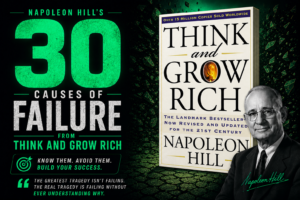
If you want to go deeper on the mindset side of this, I’ve written about the patterns that quietly hold people back in Why Do People Fail in Life? 30 Causes of Failure — it pairs well with these Babylonian lessons, since building wealth is as much about avoiding self-sabotage as it is about saving and investing correctly.